

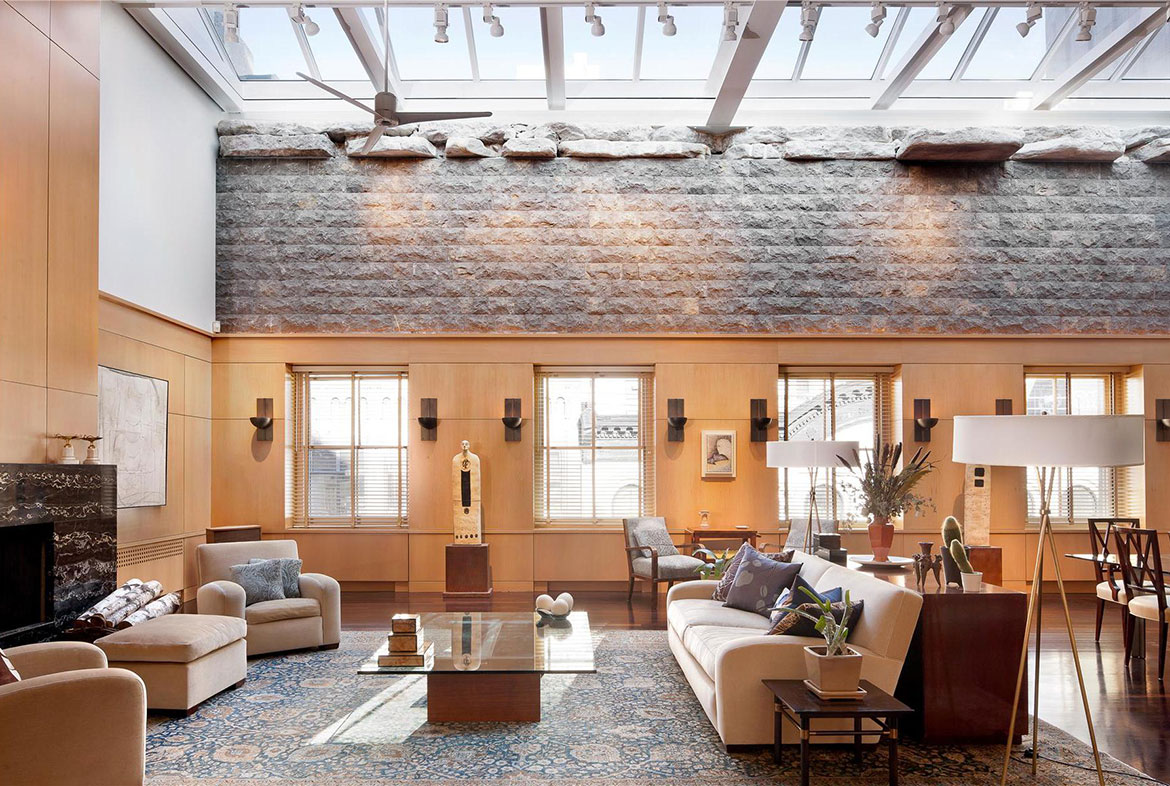
Understand The Real Estate Market; The Nigerian real estate market is growing fast today. Many people want to buy or rent homes and offices because more people are moving to cities like Lagos and Abuja. This is called urbanization. Also, Nigeria’s economy is getting bigger, so more people can afford to own or rent property. Because of this, the prices of houses and land are going up.
This market is important because it helps the country’s economy grow. It creates jobs and gives people places to live and work. Even though there are some problems like not enough affordable houses and difficulty getting loans, the market still offers good chances for people to invest and make money. In this informative guide, we will show you a couple of things you need to know about the Nigeria real estate market so that you can be adequately informed before you venture in as an investor.
Types of properties in Nigeria
The main types of properties in Nigeria are residential, commercial, and industrial properties. Each type serves a different purpose and is used by different kinds of people or businesses. We will discuss each of them in details below:
- Residential properties
Residential properties are places where people live. These include houses, apartments, flats, and townhouses. Most Nigerians look for residential properties to have a home for themselves and their families. Because Nigeria’s population is growing fast and many people are moving to cities, the demand for homes is very high. Residential properties can be simple small houses or big luxury homes, depending on what people can afford. Apartments are popular in big cities like Lagos and Abuja because land is expensive and many people want to live close to work or school. Residential properties are important because everyone needs a safe and comfortable place to stay.
- Commercial properties
Commercial properties are buildings or spaces used for business activities. These include office buildings, shops, restaurants, hotels, and shopping malls. Businesses rent or buy these properties to sell goods or offer services to customers. For example, a company may rent an office space to run its operations, or a shop owner may rent a store to sell clothes. Commercial properties are usually found in busy areas where many people visit. They can bring good income to the owner because businesses pay rent regularly. However, commercial properties often cost more to buy and maintain than residential ones. The success of commercial properties depends a lot on location and how well the area is connected by roads and transport.
- Industrial properties
Industrial properties are used for making, storing, or moving goods. These include factories, warehouses, and distribution centers. For example, a factory where goods are made or a warehouse where products are kept before selling are industrial properties. In Nigeria, industrial properties are becoming more important because the country wants to produce more goods locally and improve trade. These properties are usually located near highways, ports, or airports to make it easy to move goods. Industrial properties often have long lease contracts because businesses need stability to operate well. They usually require a lot of space and money to build but can give good returns over time.
Major cities driving the market
The major cities driving the real estate market in Nigeria are Lagos, Abuja, Port Harcourt, and some new emerging cities. The impact of each of them will be discussed below:
- Lagos is the biggest city and the economic center of Nigeria. Many people want to live and work here because there are many jobs and businesses. Places like Lekki, Victoria Island, and Ikeja are popular for buying houses and offices. Property prices in Lagos go up every year, sometimes by about 15%. This is because more people keep moving to the city, and the demand for homes and shops is very high. Lagos also has new areas like Ajah and Ibeju-Lekki where houses are cheaper but growing fast in value because the city is expanding. The government and private companies are building new roads and bridges to make these areas easier to reach, which makes property more valuable.
- Abuja is the capital city of Nigeria. It is different from Lagos because it is planned well with good roads and neighborhoods. Abuja is home to many government workers, diplomats, and business people. Areas like Maitama, Asokoro, and Wuse are known for expensive homes and offices. The city is growing, and places around Abuja like Kubwa and Lugbe are becoming popular for affordable housing. Property prices in Abuja also rise every year, around 8-10%. The government is working on smart city projects and big developments like Abuja City Gate to attract more people and investors.
- Port Harcourt is known as the oil city because it is the center of Nigeria’s oil and gas industry. Many workers and companies in this sector live and work here. This makes the demand for good homes and offices strong, especially in areas like GRA and Trans Amadi. Even though the city faces some problems like flooding, property prices are still growing steadily, about 6% each year. New infrastructure projects like roads and ports are helping the city grow more.
Besides these three big cities, other cities like Ibadan, Enugu, and Uyo are also growing fast. These places are becoming interesting for investors because houses are cheaper and the cities are improving their roads and services. This means people can get good homes at lower prices, and the value may go up in the future.
Demand for housing
In Nigeria, many more people need homes today than before. This is because the country’s population is growing very fast. More people mean more houses are needed for them to live in. Nigeria’s population is now over 200 million and is expected to reach 400 million by 2050. When so many people live in one place, they all need somewhere to stay.
Another reason is urbanisation. This means many people are moving from villages and small towns to big cities like Lagos, Abuja, Ibadan, and Kano. They move to cities because they want better jobs, schools, hospitals, and other chances to improve their lives. But when many people move to cities quickly, the cities become crowded, and the need for houses grows very fast.
Because of this, cities are finding it hard to build enough houses for all the new people. For example, Lagos gets about 6,000 new people every day, and many of them stay without a proper home. This makes the demand for houses very high, but the supply (the number of houses available) is much lower. This difference causes house prices to go up, making it hard for many people to afford good homes.
Also, the middle class in Nigeria is growing. The middle class means people who have some money but are not very rich. These people want to own their own homes instead of renting. As more people join the middle class, the demand for better and affordable houses increases. They want homes that are comfortable and in good locations, which adds pressure on the housing market.
Unfortunately, Nigeria has a big housing shortage. Experts say the country needs about 28 million more houses to meet the current demand. This shortage is called a housing deficit. The government and private builders are not building enough houses to close this gap. This makes it hard for many Nigerians to find affordable and decent places to live.
Affordable housing challenges and solutions
In Nigeria, many people find it hard to buy or rent good homes because houses are too expensive and hard to get. This problem is called “affordable housing challenge.” The price of land and building materials is very high. For example, land in big cities like Lagos and Abuja costs a lot of money. Also, many building materials are imported, so their prices go up when the Nigerian currency loses value. This makes it difficult for builders to make cheap houses that ordinary people can afford.
Another problem is that many Nigerians cannot get loans easily to buy homes. Banks and mortgage companies often ask for high interest rates and strict rules. Many people, especially those who work in informal jobs, do not have the steady income or paperwork needed to get these loans. So, even if houses are built, many people cannot afford to buy them because they cannot get good financing.
The government knows these problems and has started some programs to help. One big plan is called the Renewed Hope Housing Scheme. The government wants to build 20,000 affordable homes in different states across Nigeria. These houses are meant to be cheaper than normal market prices so more people can afford them. The government is also working with private companies to build smart cities and more housing units.
However, the money the government gives for housing is still not enough. Nigeria needs to build over 500,000 homes every year to close the big gap of more than 20 million houses. But right now, only about 50,000 homes are built yearly. This means many people still cannot find affordable homes.
Private companies and banks are also trying to help by creating better mortgage plans and building cheaper houses. Experts say the government should make policies that attract more private money to build houses. This way, more houses can be built faster, and prices can come down. Also, fixing problems like bad roads, poor electricity, and slow land paperwork will make it easier to build and own homes
Popular property types in high demand
Some types of properties are very popular and many people want to buy or rent them. These popular property types include apartments, detached houses, mixed-use developments, and serviced apartments. Knowing about these can help you understand the real estate market better. They are better discussed below:
- Apartments are very common in big cities like Lagos, Abuja, and Port Harcourt. They are usually flats in one building where many families or individuals live. Apartments are good for young people, workers, and small families because they are often cheaper than big houses and easier to maintain. Many people who work in the city prefer apartments because they are close to work, schools, and markets. Also, some apartments are built for renting, which means owners can earn money by letting others live there. In places like Lekki and Yaba, apartments are very popular for rent.
- Detached houses are bigger and stand alone on their own land. They are also called single-family homes. These houses give more space and privacy, so families who want a quiet and comfortable place like them. Detached houses are common in gated estates where security is better. Many Nigerian families prefer detached houses because they can have a garden, parking space, and more rooms for everyone. These houses are good for people who want to live with their family and have more room for visitors.
- Mixed-use developments are places where people can live, work, and shop all in one area. For example, a building or estate might have shops or offices on the ground floor and apartments above. This kind of development saves time because people don’t need to travel far for work or shopping. Mixed-use developments are becoming more common in Nigeria’s cities because they fit the busy lifestyle of many people. They also help reduce traffic and make neighborhoods more lively.
- Serviced apartments are fully furnished apartments that come with services like cleaning, security, and sometimes meals. These are good for visitors, business travelers, or people who stay in a city for a short time. Serviced apartments are popular because they offer comfort without the need to buy furniture or worry about maintenance. They are often found in business districts or near airports.
Government policies and land laws
One of the very important laws controlling land ownership and property purchase in Nigeria is called the Land Use Act. This law was made in 1978 to help manage land better and stop problems like land fights and confusion about who owns what land.
The Land Use Act says that all land in a state belongs to the state government, not to individuals. The governor of each state holds the land in trust for the people living there. This means that no one can own land outright. Instead, people get the right to use land from the government. This right is called a “Certificate of Occupancy” or C of O. The C of O is a very important paper because it shows that you have the legal right to use a piece of land, usually for 99 years for houses or shorter times for business land.
When someone wants to buy or sell land, or even rent it out or use it as security for a loan, they must get permission from the governor. This permission is called the “Governor’s Consent.” Without this consent, the sale or transfer is not legal, even if money has changed hands. This rule helps stop fake land sales and protects buyers from losing their money.

In rural areas, local governments or traditional leaders can give out land rights called “Customary Rights of Occupancy.” But even these rights must be approved by the state government. This way, the government keeps control and makes sure land is used fairly.
Sometimes, the government may need to take back land for public projects like building roads, schools, or hospitals. When this happens, the law says the government must pay the landowner fair compensation for any buildings or improvements made on the land, but not for the land itself since the government owns it.
The Land Use Act tries to make land use orderly and fair, but it also means land buying can be slow and complicated. People must follow many steps, get the right papers, and pay fees. This can be hard for some buyers, but it helps reduce land fraud and protects property rights in the long run.
Economic factors affecting real estate
The Nigerian real estate market is strongly affected by economic factors like inflation and exchange rates. These two things can make building houses and buying property more expensive or cheaper, depending on how they change.
- Inflation and its effect
Inflation means that prices of goods and services go up over time. When inflation is high, the money you have today will not buy as much as before. In Nigeria, inflation has been rising a lot in recent years. This makes building materials like cement, steel, and paint more expensive. Labour costs also increase because workers ask for higher pay to keep up with the rising prices of food and other needs.
Because building materials and labour become costly, developers have to spend more to finish their projects. For example, a house that cost ₦250 million to build a few years ago might now cost over ₦600 million. Developers can either absorb these extra costs, which reduces their profit, or they pass the cost to buyers by increasing property prices. This means that people who want to buy houses have to pay more money than before.
Inflation also affects people’s ability to buy homes. As prices rise, many Nigerians find it harder to afford new houses or pay rent. This can slow down the number of property sales and make some people delay buying homes.
- Exchange rates and their impact
The exchange rate is how much the Nigerian Naira is worth compared to other currencies like the US dollar. When the Naira loses value (devalues), it means you need more Naira to buy the same amount of foreign currency.
Many building materials in Nigeria are imported, so when the Naira becomes weaker, these materials cost more in Naira terms. This makes construction even more expensive. For example, if the Naira falls from ₦360 to ₦1,500 per dollar, the price of imported materials can increase several times. This forces developers to raise property prices or delay building projects because they cannot afford the high costs.
Foreign investment in Nigerian real estate
Foreign investors are people or companies from other countries who put their money into buying or building properties in Nigeria. Their involvement helps the market grow and brings many benefits.
First, they bring money into Nigeria. This money helps build new houses, apartments, and offices. Because Nigeria has a big housing problem, with millions of people needing homes, this extra money is very important. It helps to build more homes faster than if only local money was used. For example, the Nigerian government has programs like the Renewed Hope Housing Scheme that aim to build hundreds of thousands of new homes by 2025. Foreign investors can join these programs to help meet the big demand for housing.
Also, they bring new ideas and skills. Many foreign companies have experience building big and modern real estate projects. They know how to use better building materials, new designs, and smart technology. This helps improve the quality of houses and commercial buildings in Nigeria. It also creates jobs for local workers who learn from these experts.
In addition, the foreign investment helps improve the economy. When investors build new properties, it creates work for builders, architects, and many others. It also increases the value of land and buildings in cities like Lagos and Abuja. This growth makes Nigeria’s real estate market one of the fastest-growing in Africa. In fact, the sector is expected to reach a value of about $2.25 trillion by 2025, making it very attractive for both local and foreign investors.
Furthermore, they often bring long-term plans. They don’t just buy property to sell quickly; they invest in big projects that take years to finish. This helps create stable growth in the market. It also encourages the government to improve infrastructure like roads, electricity, and water, which makes living in these areas better for everyone.
Finally, foreign investors help Nigeria connect with the world. When foreign companies invest, it shows that Nigeria is a good place to do business. This can attract even more investors from other countries, creating a cycle of growth and development.
Infrastructure and its impact on property value
Good roads make it easy for people to move around. If a place has smooth, well-built roads, it becomes attractive because people can travel to work, school, or markets without trouble. For example, when new roads or highways are built connecting a suburb to a city center, more people want to live there. This demand pushes property prices higher. On the other hand, places with bad or no roads often see fewer buyers and lower property values because it is hard to get around.
Electricity is another very important factor. Many parts of Nigeria still face power problems, and areas with steady electricity supply are more desirable. People want to live in places where they can have light, run appliances, and stay comfortable. When electricity is reliable, businesses also want to set up shops or offices there. This increases the value of properties in such areas. Places without good electricity usually have lower property prices because living there is difficult.
Water supply is also key. Having clean and steady water makes a place livable. People need water for drinking, cooking, and cleaning. Areas with good water supply attract more residents and investors. If water is scarce or dirty, fewer people want to live there, and property values drop. So, places with pipe-borne water or good boreholes often have higher property prices.
When these infrastructures improve, they make a neighborhood more attractive and convenient. This leads to more people wanting to buy or rent homes there. As a result, property prices rise. Also, better infrastructure can encourage businesses to open shops and offices, creating jobs and making the area even more valuable.
Real estate financing and mortgage access in Nigeria
Buying a home in Nigeria is not easy for many people because houses cost a lot of money. Most people do not have enough money to pay for a house all at once. This is why loans and mortgages are very important. A mortgage is a special kind of loan that helps people buy a house. They pay back the money slowly over many years.
Getting a mortgage loan in the country has been difficult for many people, especially because banks often ask for very high interest rates, sometimes more than 20%. This means if you borrow money, you have to pay back a lot extra. Also, banks usually want a big down payment before they give you a loan. Because of this, many Nigerians prefer to rent houses or buy with cash if they can.
The good news is that the Nigerian government is working hard to make mortgages easier and cheaper. Recently, the government started a big fund called the Ministry of Finance Incorporated Real Estate Investment Fund (MREIF). This fund has about one trillion naira to help Nigerians get affordable home loans. The loans from this fund will have interest rates around 11% to 12%, which is much lower than before. Also, people can pay back the loan over a long time, like 20 years or more. This makes monthly payments smaller and easier to manage.
The government got money for this fund by borrowing from the World Bank at a very low interest rate of 1%. They also got money from pension funds and insurance companies. By mixing these sources, the fund can offer cheaper loans to homebuyers.
Besides helping buyers, the fund also supports house builders. It gives guarantees to developers so they can borrow money to finish building houses. This means more houses will be available for people to buy.
Even with these improvements, challenges remain. Many people still find it hard to meet the requirements for loans, such as proof of steady income or a good credit history. Also, inflation and rising building costs can make houses more expensive.
Trends in real estate development
One of the biggest changes in Nigeria’s real estate market is the rise of luxury apartments, gated communities, and smart or sustainable homes. These new types of homes are becoming very popular, especially in big cities like Lagos, Abuja, and Port Harcourt.
- Luxury apartments
Luxury apartments are fancy homes that come with many special features. They are usually found in places like Victoria Island, Lekki, and Ikoyi in Lagos. These apartments often have swimming pools, gyms, restaurants, and even security services. Many rich Nigerians and foreigners who work in Nigeria want to live in these apartments because they offer comfort, safety, and a good lifestyle. Prices for these luxury apartments can be very high, but the demand keeps growing because more people want to live in nice, modern places close to work and fun spots.
- Gated communities
Gated communities are neighborhoods that have gates and security guards to keep residents safe. These communities are popular because they give people peace of mind and a sense of privacy. They often have good roads, clean environments, and sometimes parks or playgrounds. Many families prefer gated communities because they feel safer and enjoy living near others with similar lifestyles. These communities are also growing in cities where people want to escape the busy and sometimes unsafe city centers.
- Smart and sustainable homes
Smart homes use technology to make life easier and safer. For example, people can control lights, air conditioners, or security cameras using their phones. Many new homes in Nigeria are now built with these smart features. Also, sustainability is becoming important. This means homes are designed to save energy and protect the environment. Some homes use solar panels to get electricity from the sun or collect rainwater for use. These green homes help reduce bills and are better for the planet. Wealthy buyers like these homes because they combine luxury with care for nature.
Effect of remote work on property choices
The way people work has changed a lot, especially with more people working from home in Nigeria. This change is also affecting what people want when they look for houses. Before, many workers needed to live close to their offices in big cities like Lagos or Abuja because they had to travel to work every day. But now, since they can work from home, they don’t need to live near their offices anymore. This means many people are moving to places outside the busy city centers where houses are bigger and cheaper.
When people work from home, they need more than just a bedroom and a kitchen. They need a special space to work quietly and comfortably. So, houses with extra rooms or places that can be changed into a home office are becoming very popular. People want a room where they can put their computer and work without being disturbed. This is a big change because before, many houses were built just for living, not for working.
Another important thing for people working from home is having good internet and steady electricity. Without these, it is hard to work online or join meetings. So, when choosing a house, people check if the area has strong internet signals and reliable power supply. This makes some neighborhoods more popular than others.
Because of remote work, some people now prefer to live in quieter neighborhoods with less traffic and noise. They want a peaceful place where they can focus on their work. This has made some suburbs and smaller towns grow faster because many people are moving there from crowded cities.
Landlords and property owners are also noticing these changes. They are trying to improve their houses by adding features like backup generators for power and better internet connections. Some are even building new homes with special workspaces to attract people who work from home.
Short-term rentals and serviced apartments
Short-term rentals and serviced apartments are becoming very popular in the country, especially for business travelers and tourists. These types of places are different from regular long-term homes because they are rented for a short time—like a few days, weeks, or months. Many people who come to Nigeria for work or to visit prefer these rentals because they offer comfort and flexibility.
Business travelers often need a place to stay for a short period while they work in cities like Lagos, Abuja, or Port Harcourt. Instead of staying in hotels, many choose short-term rentals or serviced apartments because they feel more like a home. These places usually come fully furnished, with things like beds, sofas, kitchens, and internet. This makes it easier for travelers to live comfortably without bringing many things with them.
Tourists also like short-term rentals because they can pick a place that fits their needs and budget. Some want to stay in busy city centers close to attractions, while others prefer quieter neighborhoods. Short-term rentals give them many choices, from small apartments to bigger homes. This flexibility is not always possible with hotels.
The market for these rentals is growing fast in Nigeria. Cities like Lagos are seeing more people use platforms like Airbnb to find short-term places. This growth is because many Nigerians and visitors want affordable and convenient housing options. Also, the cost of long-term rent is high, so short-term rentals offer a good alternative.
Serviced apartments are a special kind of short-term rental. They are like apartments but come with extra services, such as cleaning, security, and sometimes meals. These apartments are popular with business people who want a hassle-free stay. They can focus on work while enjoying the comfort of a home.
The rise of short-term rentals and serviced apartments is good for the Nigerian economy. Property owners earn more money by renting out their homes this way. Also, more visitors feel welcome and comfortable, which helps tourism and business travel grow.
Security and safety in real estate
In Nigeria, security is very important because many people worry about crime like burglary, kidnapping, and other dangers. If a place is safe, more people want to live there. This makes the price of houses and apartments in that area go up.
Safe neighborhoods usually have things like gated communities, security guards, and sometimes cameras to watch over the area. These help stop bad people from causing trouble. Because of these security measures, people feel comfortable living there. When people feel safe, they are willing to pay more money to buy or rent a home in that area.
On the other hand, if a neighborhood has a lot of crime, fewer people want to live there. This makes house prices go down because people do not want to risk their safety. Even if the houses are nice or the area has good roads and schools, high crime can scare buyers and renters away.
Studies in Lagos and other Nigerian cities show that places with good security have higher property values. For example, homes with fences, local security guards, and gatekeepers usually cost more. People are ready to pay extra because they want peace of mind for themselves and their families.
Also, safe neighborhoods help people live better lives. When people do not worry about crime, they can enjoy their homes, meet neighbors, and build strong communities. This makes the area more attractive to new buyers and investors.
Challenges facing the Nigerian real estate market
The three main challenges facing the Nigerian real estate market are high building costs, government rules, and uncertainty in the market.
First, building costs in Nigeria are very high. Most materials like cement, steel, and glass are imported, so when the Nigerian currency loses value, these materials become more expensive. Inflation also makes prices go up every day. Because of this, builders have to spend a lot more money to finish houses or buildings. When building costs go up, the final price of houses also rises, making it difficult for many people to afford to buy homes. This problem is worse for low- and middle-income families who already struggle to get good housing.
In addition, there are many government rules and regulations that slow down real estate projects. Getting land ownership papers can be very hard and take a long time because of unclear land laws and bureaucratic delays. The Land Use Act and other policies sometimes make it confusing to know who really owns a piece of land. Also, getting approvals for building projects can be slow because of many government offices involved. These regulatory problems scare away investors and make it difficult for developers to start or finish projects on time. Sometimes, corruption and red tape add to these delays.
Furthermore, the Nigerian real estate market is full of uncertainties. The economy changes a lot, and things like inflation, currency problems, and political instability make people unsure about investing in property. When people are not confident about the future, they do not want to spend money on buying or building houses. Also, problems like poor infrastructure, unstable electricity, and bad roads reduce the value of properties and make some areas less attractive. Security concerns and political changes can also scare away both local and foreign investors. All these uncertainties make the market risky and slow down growth.
Despite these challenges, the Nigerian real estate market still has great potential because many people need homes, especially in cities where the population is growing fast. If the government and private sector can work together to reduce building costs, fix land laws, and create a stable economy, the market can improve. Affordable housing projects and better financing options will also help more Nigerians own homes in the future.
Conclusion
You need to know how buying, selling, and building houses and properties work before you can fully understand the real estate market in Nigeria. This knowledge is helpful to anyone intending to invest in this market and we have provided you with helpful information regarding this in the course of this informative guide. In Nigeria, many people want good homes, but there are problems like high building costs, difficult government rules, and unsure times that make it hard. Before you invest in the industry, first learn about these challenges and how to overcome them. Every important point that can help you navigate the challenges have been provided above. Make sure you follow them to the letter before investing in the Nigeria real estate market


